Why Zebras don’t get ulcers
The 2:30 AM Brain Tumor
It is two-thirty in the morning. You are lying in bed, wide awake, obsessing over a critical meeting or a high-stakes presentation scheduled for the next day. As the minutes tick by, your anxiety shifts from professional failure to a sudden, terrifying inventory of every nonspecific ache in your body. In the quiet of the night, you convince yourself that a slight headache is, with absolute certainty, a fatal brain tumor.
As Robert Sapolsky (the Author of Why Zebras don’t get ulcers) notes, this is a uniquely modern misery. Our ancestors were plagued by acute, physical crises: leprosy, malaria, cholera, and the very real threat of being eaten. Today, thanks to the revolutions in public health and medicine, we are rarely kept awake by the fear of parasites. Instead, we live well enough and long enough to "slowly fall apart." We suffer from diseases of slow accumulation—heart disease, cancer, and cerebrovascular disorders. We are the victims of a physiological revolution where our own minds trigger the same massive stress-responses designed for physical emergencies to handle purely psychological ones.
The Human Invention of Chronic Worry
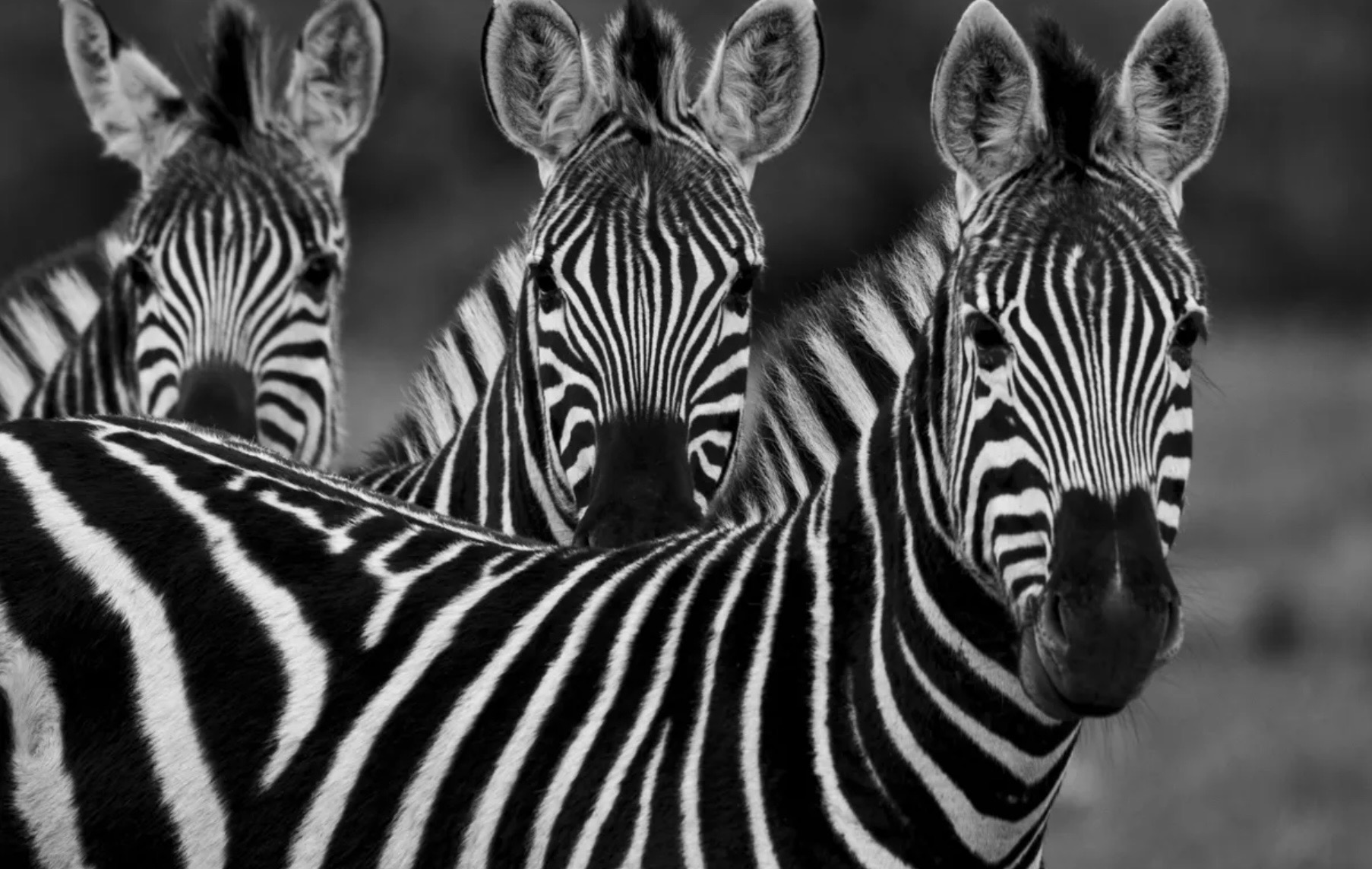
For a zebra, stress is an acute physical crisis. It is the moment a lion leaps from the grass, demanding an immediate, anaerobic sprint for survival. For the lion, it is the metabolic demand of the hunt to avoid starvation. In the animal kingdom, the stress-response is a brilliant short-term adaptation. Once the chase is over, the physiological uproar ceases.
Humans, however, have the cognitive capacity to generate stressful events purely in our heads. We worry about mortgages, social security, and first dates—concepts that make no sense to a zebra or a hippo. This mental activity is not "light" work for the body. Consider chess grandmasters: during tournaments, they can place metabolic demands on their bodies that approach those of athletes in peak competition, purely through the intensity of their mental effort. Viewed through the lens of evolution, sustained psychological stress is a recent, and often disastrous, invention.
As Sapolsky observes regarding the critical point of this dilemma:
"A large body of evidence suggests that stress-related disease emerges, predominantly, out of the fact that we so often activate a physiological system that has evolved for responding to acute physical emergencies, but we turn it on for months on end, worrying about mortgages, relationships, and promotions."
From Homeostasis to Allostasis: Modernizing Balance
To understand how this mental activity translates into physical decay, we must move beyond the "ninth-grade biology" concept of Homeostasis. Homeostasis suggests the body has a single, static set point for every measure—a specific blood pressure or temperature reached through local tinkering.
Modern neurobiology points instead to Allostasis, or "constancy through change." Allostasis recognizes that the "ideal" level for any system depends on the context. Your ideal blood pressure while sleeping is not your ideal blood pressure while ski jumping. In an allostatic model, the brain acts as the central coordinator, adjusting set points across the entire body in anticipation of what is coming next.
Consider the difference through the lens of a water shortage. A homeostatic solution is local and reactive: the kidneys detect a shortage and produce less urine. An allostatic solution is brain-coordinated and proactive: the brain directs the kidneys to conserve water, triggers thirst to drive behavior, and withdraws water from the skin to prevent evaporation. While homeostasis is about a single valve, allostasis is about the brain coordinating a systemic, multi-front defense before the disaster strikes.
The "Two Elephants on a Seesaw" Model
If the stress-response is so adaptive, why does it kill us? Think of the body’s balance as a seesaw. Under normal conditions, two small children (low levels of stress hormones) can balance it easily. During stress, the body attempts to maintain that balance by putting two massive elephants on the seesaw. While the elephants can achieve balance, their presence creates three subtle, destructive problems:
- Diverted Resources: The enormous potential energy of the elephants is consumed just to stay balanced. This energy is stolen from long-term "building projects"—like tissue repair ("mowing the lawn"), growth, or reproduction ("paying the bills").
- Collateral Damage: Elephants are lumbering and unsubtle. They "squash the flowers" and wear out the equipment. This represents the allostatic load—the "slow accumulation of damage" mentioned earlier—caused by massive levels of hormones like epinephrine (adrenaline) and glucocorticoids (stress hormones like cortisol, which, it must be noted, Sapolsky is quite "in love with").
- The "Exit" Problem: It is difficult for two elephants to hop off a seesaw simultaneously. If one gets off too early, the other crashes to the ground. This reflects how disease arises when we turn the stress-response off too slowly or unevenly.
This model corrects a historical error by Hans Selye, the father of stress physiology. Selye believed we got sick because we "ran out" of stress hormones (exhaustion). We now know that the body does not run out of "bullets." Instead, the "defense budget" itself becomes the problem; we spend so much on the immediate response that we neglect the infrastructure required for long-term health.
"Tend and Befriend": The Gendered Stress Response
For decades, stress research suffered from a "speciocentric" bias, focusing on a narrow range of behaviors in limited species, which reinforced Walter Cannon's "Fight-or-Flight" model. However, Shelley Taylor’s research suggests this model primarily describes the male experience. Because females in many species have dependent young that preclude flight, they often utilize a "Tend and Befriend" strategy.
This response is characterized by the secretion of oxytocin, a hormone that promotes social affiliation and maternal behavior. Recognizing these differences is vital; it shows that the pull toward sociality and protective behavior is as much a biological imperative during stress as the urge to run or fight.
The View from the Bottom: Social Rank and Arteries
The physiological cost of stress is often a reflection of one’s place in the world. Jay Kaplan’s research on monkeys demonstrates that social hierarchy and "unstable dominance" are primary drivers of cardiovascular disease. Monkeys precariously holding onto the top of a shifting hierarchy show significantly higher rates of atherosclerosis (plaque formation in the arteries).
When these animals are fed a high-fat diet, the social stress synergizes with the food to make plaque formation skyrocket. However, Kaplan found a "smoking gun" for the mind-body connection: when he gave the stressed monkeys beta-blockers to inhibit the sympathetic nervous system, the plaque formation stopped, even in the midst of social turmoil.
As a neurobiologist, I find the "stress signatures" of these psychological states particularly telling. Different axes of the brain-body connection are activated depending on the flavor of the distress:
- Anxiety and Vigilance are marked by sympathetic nervous system arousal (the SAM axis), flooding the body with epinephrine and norepinephrine.
- Depression is marked by heavy, sustained glucocorticoid (cortisol) secretion via the HPA axis.
This data underscores the crushing reality of social determinants of health. As the punch line of Sapolsky’s research on the "view from the bottom" suggests: one of the most effective ways to avoid stress-related disease is simply to avoid being born poor.
Conclusion: Reinvigorating the Mystery
The news regarding stress-related disease is undeniably grim. By constantly activating a system meant for short-term survival, we increase our risk of hypertension, ulcers, and memory loss. However, this scientific understanding also reveals our enormous potential to protect ourselves. Most of us are not incapacitated by these pressures; we cope, often with spectacular success.
Science is not meant to strip the world of its wonder. As Sapolsky observes, science is not meant to cure us of mystery, but to reinvent and reinvigorate it. It provides the puzzles that allow us to understand the elegant, complex intertwining of our biology and our emotions.
If we are the only species smart enough to worry ourselves sick over imaginary futures, are we also the only ones smart enough to imagine our way back to balance?